
Protect Yourself from Fraud
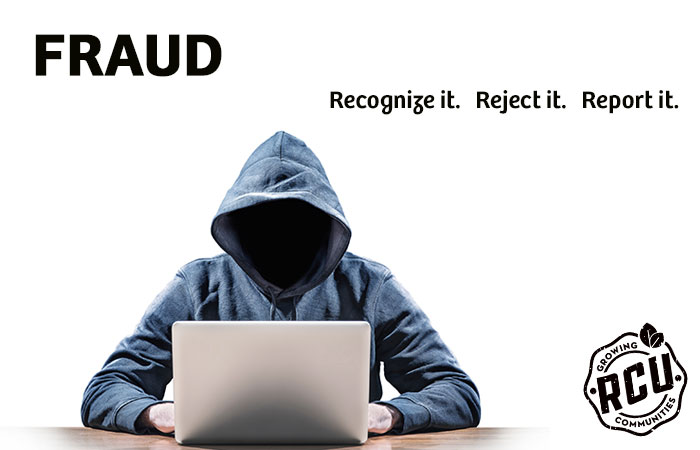
Our goal is to keep our members fraud-free. We want to help you recognize, reject, and report fraud.
Scammers are constantly developing new ways to separate people from their hard-earned money. By understanding the tactics fraudsters use, you can be better prepared if a scam comes your way.
First, recognize the warning signs of fraud. Whether it’s a suspicious phone call, an unexpected email, or a strange payment request, knowing the common tactics used by scammers can help you spot fraud before it happens.
Next, reject the scam. Do not engage with the fraudster, click suspicious links, or provide personal or financial information. If something feels suspicious, trust your instincts.
Finally, report the fraud. Let the scammer know you intend to report the incident. Fraudsters often back off when they know authorities may become involved.
For more information or to report fraud, visit antifraudcentre.ca. You can also learn how to #GetCyberSafe at: getcybersafe.gc.ca/en
Helpful resources:
- Little Black Book of Scams
- Top 10 Scams in Canada
- Mobile Device Security
- Password Tips to Prevent Fraud.pdf
- Ghost Tapping - What is it & how does it work?
- How to Spot AI Scams
How to Protect Yourself
Fraud and cybercrime can affect anyone, anywhere, at any time. Staying informed and cautious can greatly reduce your risk.
Be cautious
If something feels suspicious, don’t hesitate to hang up the phone, ignore the email, or close the website. Fraudsters often pressure people to act quickly or promise valuable prizes in exchange for small payments.
Protect your personal information
Never share sensitive information such as:
Online banking passwords
Verification codes
Credit card numbers
Social Insurance Numbers
Driver’s licence numbers
Financial institutions and government agencies will never ask for this information through unsolicited emails or calls.
Do your research
Before making a purchase or sending money, confirm that the business or organization is legitimate. Make sure you are using trusted and secure websites.
Protect your documents
Bank statements, credit card bills, old tax returns, and any documents containing personal information should be shredded or securely stored when no longer needed.
Monitor your credit
Check your credit report at least once a year and report any suspicious activity immediately.
New and Emerging Scam Tactics
Fraudsters are constantly adapting their techniques. Some of the newest scams include:
AI Voice Cloning Scams
Scammers use artificial intelligence to mimic the voice of a family member, friend, or even a company representative. They may call claiming there is an emergency and request urgent money transfers.
Ghost Tapping
This scam targets contactless payment methods such as tap-to-pay cards and mobile wallets. Fraudsters may manipulate payment devices or trigger unauthorized transactions, sometimes without the victim realizing immediately.
Phishing and Smishing
Fraudulent emails and text messages impersonate banks, delivery companies, or government agencies. These messages often contain links to fake websites designed to steal login credentials and personal information.
Small “Test” Charges
Fraudsters sometimes make small transactions to test if a card is active before attempting larger fraudulent purchases.
Know When You’re a Target
Some scams target specific concerns or interests.
Health Fraud is a growing issue in Canada. These scams promote miracle cures, weight-loss products, or treatments that claim extraordinary results. These products often have no proven medical benefit and may harm both your health and finances. Always consult a qualified healthcare professional before purchasing health-related products.